Product Bundling, Cross-Selling and Upselling: The D2C Guide for Diwali 2026

Read summarized version with
It’s that time of the year again! Diwali is around the corner, and suddenly, everyone’s shopping list seems to have grown. New phones, better TVs, shoes, cookware, things for the house that nobody needed in September but somehow need now.
Festive discounts have a way of doing that. So do relatives who casually ask if you’re planning to upgrade your old sofa.
And then begins the familiar routine. Shoppers Google a few options, scroll through Instagram, open Amazon or Flipkart, compare products that look almost identical, read reviews, question whether those reviews are even real, and finally make a purchase because the discount timer says the deal ends in eleven minutes.
That’s a tiring way to shop, and it’s where D2C brands have an edge. A marketplace can only compete on price. A brand’s own store can do what a good salesperson does: put together the right gift set, suggest what goes with the purchase, or show why the premium version is worth the extra spend.
That’s what bundling, cross-selling and upselling do when they’re done well. They make the decision easier for the shopper, and they make each order bigger for the brand. Here’s how D2C brands should use them this season:
- Product Bundling: When the Whole Makes More Sense
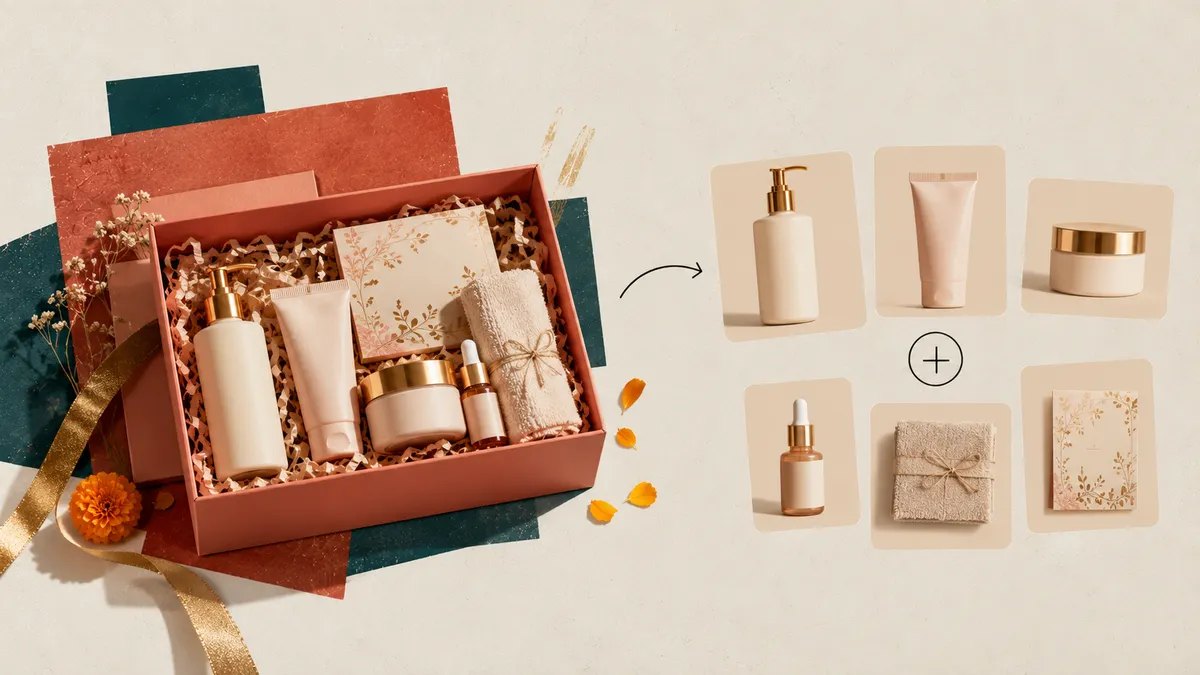
Shalini is buying a gift for a friend who loves skincare. She could hunt down a cleanser, a moisturiser and a face mask one by one, then wonder whether they even go together. Or she could pick a set someone has already put together for her. Most people pick the set.
That’s what a good bundle does. It takes the guesswork out of buying several things that belong together, which matters most when someone is shopping for an occasion.
This festive season, shoppers are also watching what they spend. A LocalCircles survey of over 67,000 urban households expects festive spending to fall 6% this year, and 83% of households plan to use their savings to fund at least part of it. When every rupee is counted, a bundle that offers clear value is easier to say yes to than three separate purchases.
The demand is spread across categories: 72% of households plan to buy clothing, footwear or accessories, 45% home appliances, 45% furniture, and 39% gourmet food and gifting. Here’s what D2C brands can build for them:
- Gift sets: a skincare trio, a gourmet hamper, or a ready-to-wrap set at a fixed price point
- Complete-the-look bundles: an outfit with matching footwear and accessories
- Occasion bundles: candles, table linen and decor pieces for hosting family over Diwali
When a bundle solves a genuine need, purchasing multiple products becomes a natural decision rather than an additional sales pitch.
This is also the thinking behind Glood.AI Bundles. Built for Shopify brands, it helps bring complementary products together in ways that reflect how customers actually shop. The focus is on creating combinations that feel intentional, intuitive and integrated into the shopping experience, rather than grouping products together simply to offer a discount.
- Cross-Selling: Completing the Purchase
A shopper has found the perfect saree for her office Diwali party. She still needs earrings and a clutch to go with it. Someone buying diyas for the puja may not realise they're also out of rangoli colours until they see them. And a sibling picking a watch for Bhai Dooj would happily add a wallet or gift wrapping if it were offered.
Finding the main product doesn't always mean the shopper has everything they need. Often the missing piece is something they haven't thought of yet, and that's where cross-selling helps.
The timing matters. A Google-commissioned Ipsos study of shoppers during the 2025 Navratri and Diwali season found that while 90% researched their purchases, 70% also bought something on impulse. Festive shoppers are open to adding things to their basket. The question is whether your store shows them the right thing at the right moment.
Here's what makes cross-selling work:
- Show it where the decision happens. Suggest earrings on the saree's product page, gift wrapping in the cart, and a refill or accessory after checkout.
- Keep the link obvious. The shopper should see straight away why the item goes with their purchase. A matching clutch makes sense. A random bestseller doesn't.
- Show fewer, better options. Two or three relevant suggestions beat a carousel of twenty.
Glood.AI's recommendations help Shopify brands do this automatically, suggesting complementary products on product pages and in the cart based on what each shopper is browsing and buying.
When a suggestion fits what the shopper is already trying to do, it doesn't feel like selling. It feels like the store remembered something they would have forgotten.
- Upselling: Making the Upgrade Worth It
A family shopping for a refrigerator during Dhanteras starts with the basic model. Then they see the one above it: better energy efficiency, more storage, and a slightly higher price. For something they’ll use every day for the next ten years, the upgrade starts to look sensible.
That’s upselling done right. It doesn’t push shoppers towards the most expensive option. It shows them a better fit for what they already want.
This festive season, the “worth it” part matters more than usual. A LocalCircles survey puts average discretionary festive spending for urban households at nearly ₹20,000, and 31% of households don’t plan any discretionary purchases at all. Every extra rupee has to earn its place.
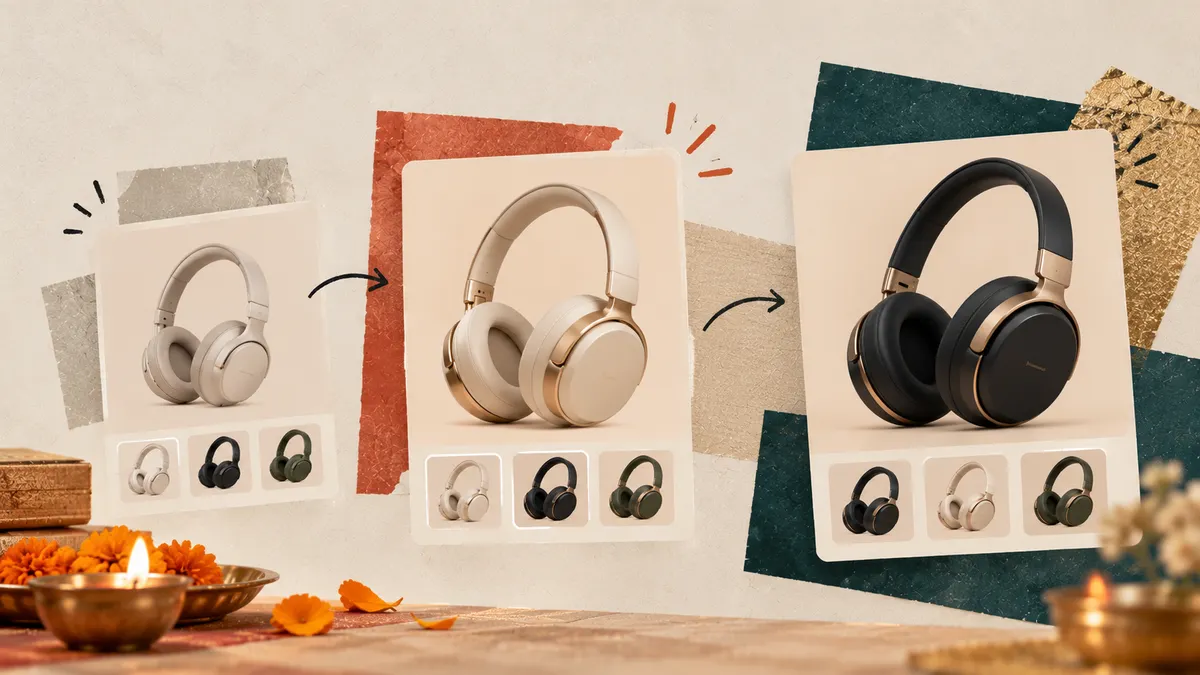
Yet shoppers are open to spending more when the reason is clear. In BigCity Promotions’ festive report, 40.3% of consumers said the right offer could get them to spend more or upgrade.
Here’s how D2C brands can make that upgrade easy to say yes to:
- Compare side by side. Show the two options together, with the differences that matter: battery life, capacity, energy rating.
- Show the value in their terms. “₹2 more per wash” or “lasts 3 months longer” lands better than a bigger number on the price tag.
- Stay one step up. Suggest the next tier, not the top one. A small jump feels like a smart choice; a big one feels like pressure.
- Use pack sizes. For beauty, food and everyday products, a larger pack at a better price per unit is the easiest upsell there is.
Glood.AI helps Shopify brands show these upgrade suggestions on product pages and in the cart, matched to what each shopper is already considering.
A good upsell leaves the shopper feeling they made a smarter choice, not that they were sold something.
Personalisation: The Glue That Holds It Together
Festive campaigns often focus on bringing more visitors to an online store through discounts, advertising and seasonal promotions. But getting someone to visit a storefront is only one part of the shopping journey. What happens once they arrive matters just as much.
A shopper might leave without completing a purchase because they cannot find what they need, cannot see enough value in the available options, or simply lose interest while navigating a catalogue that feels overwhelming. Others may complete a transaction without discovering products that would have made their purchase more useful or satisfying.
Bundling, cross-selling and upselling each solve a different part of the festive purchase. Personalisation is the glue that holds them together. It decides which bundle a shopper sees, which add-on makes sense next to their saree, and which upgrade is worth their extra rupees. Without it, these are just more products on the page. With it, your store starts to work like that good salesperson: it knows what the shopper came for, what goes with it, and when a better option is worth showing.
Glood.AI helps Shopify brands curate personalized journeys, rather than presenting every visitor with a cookie-cutter experience. The experience that follows after the initial click can determine whether a shopper discovers something useful, buys with confidence, and eventually becomes a brand advocate, not just during the festive season, but long after the rush is over.
Because brands that endure won’t be the ones with the most traffic or the deepest discounts. They’ll be the ones whose store helps every shopper find what’s right for them.
Sign Up For Our Free Weekly Newsletter
Get the latest e-commerce insights, tips, and strategies delivered straight to your inbox.
You May Also Love to Read
From “Customers Also Bought” to Intent-Led Commerce: The 2027 Shift
Imagine every Shopify store as a vast, magical library. The librarian, our traditional recommendation engine, had to sift through enormous spreadsheets of numbers to figure out what a shopper might want next. Had they bought a blue shirt? Which products had they clicked on? What did other shoppers with similar histories buy? The system relied on patterns in past behaviour to make its next best guess. Making these predictions required complex mathematical models and multiple systems working toge
Oct 12, 2026
Beyond the Discount: How E-commerce Brands Can Maximise BFCM Orders
BFCM is the time when shoppers are already in a buying mindset.Brands can use this opportunity to make the shopping experience more relevant and valuable. During BFCM 2025, Shopify merchants generated $14.6 billion in global sales, up 27% from the previous year. More than 81 million customers purchased from Shopify-powered brands, while the average cart price stood at $114.70. For e-commerce brands, this creates a valuable window of high purchase intent.The question is what happens after shopp
Oct 12, 2026
The Ultimate BFCM Readiness Checklist You Need
Black Friday and Cyber Monday can turn a regular weekend into one of the busiest periods of the year for ecommerce brands. In 2025, Shopify merchants generated $14.6 billion in sales during BFCM, a 27% increase from the previous year. More than 94,900 merchants also recorded their highest-selling day ever on Shopify. For a D2C brand, these numbers come with a less glamorous reality: when demand rises sharply, small gaps in your store can become very expensive problems. A slow product page, an
Oct 9, 2026